
Making Their Voices Heard: Citizens Describe Next Atlanta Fed President
March 06, 2026

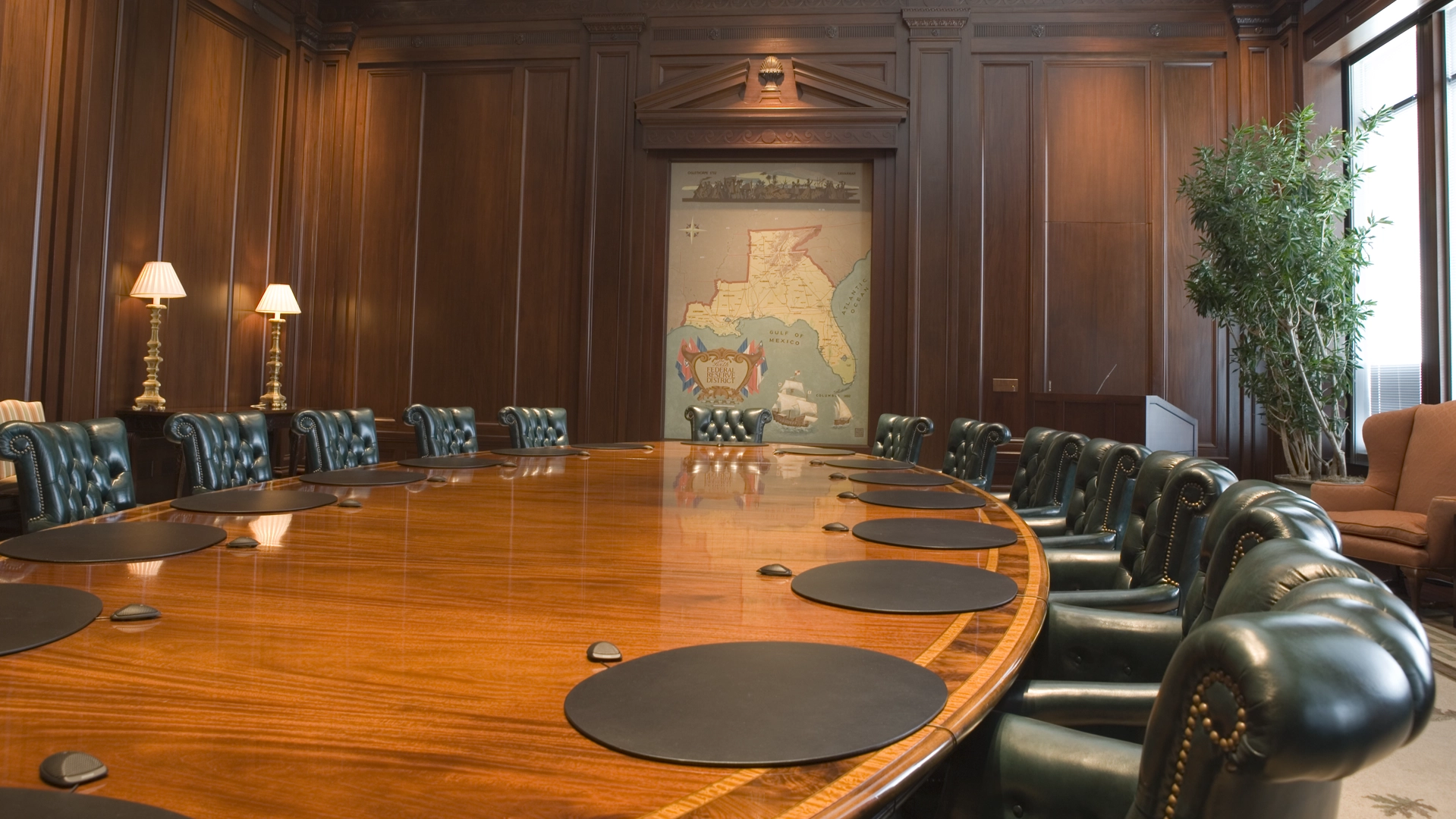
The Atlanta Fed's presidential search is well under way. As promised when it formally launched the process, the search committee—overseen by the Bank's board of directors—has sought public input and conducted listening sessions with stakeholders throughout the Sixth Federal Reserve District, which encompasses Alabama, Florida, Georgia, and portions of Louisiana, Mississippi, and Tennessee. This article updates the process and provides highlights from the listening sessions.
The president and CEO position became open following Raphael Bostic's retirement at the end of February. Cheryl Venable, the Bank's first vice president and chief operating officer, currently serves as interim president.
Chaired by Atlanta Fed board chair Gregory A. Haile, the search committee comprises all six of the Bank's Class B and C directors—those who are not affiliated with a supervised financial institution. The Bank has also retained Heidrick & Struggles, an executive search firm, to assist with the process.
The listening sessions undertaken by the search committee were designed to capture the qualities stakeholders value in the next Atlanta Fed president. They marked an early step in a comprehensive search aimed at identifying a broad pool of candidates with significant connections to the District.
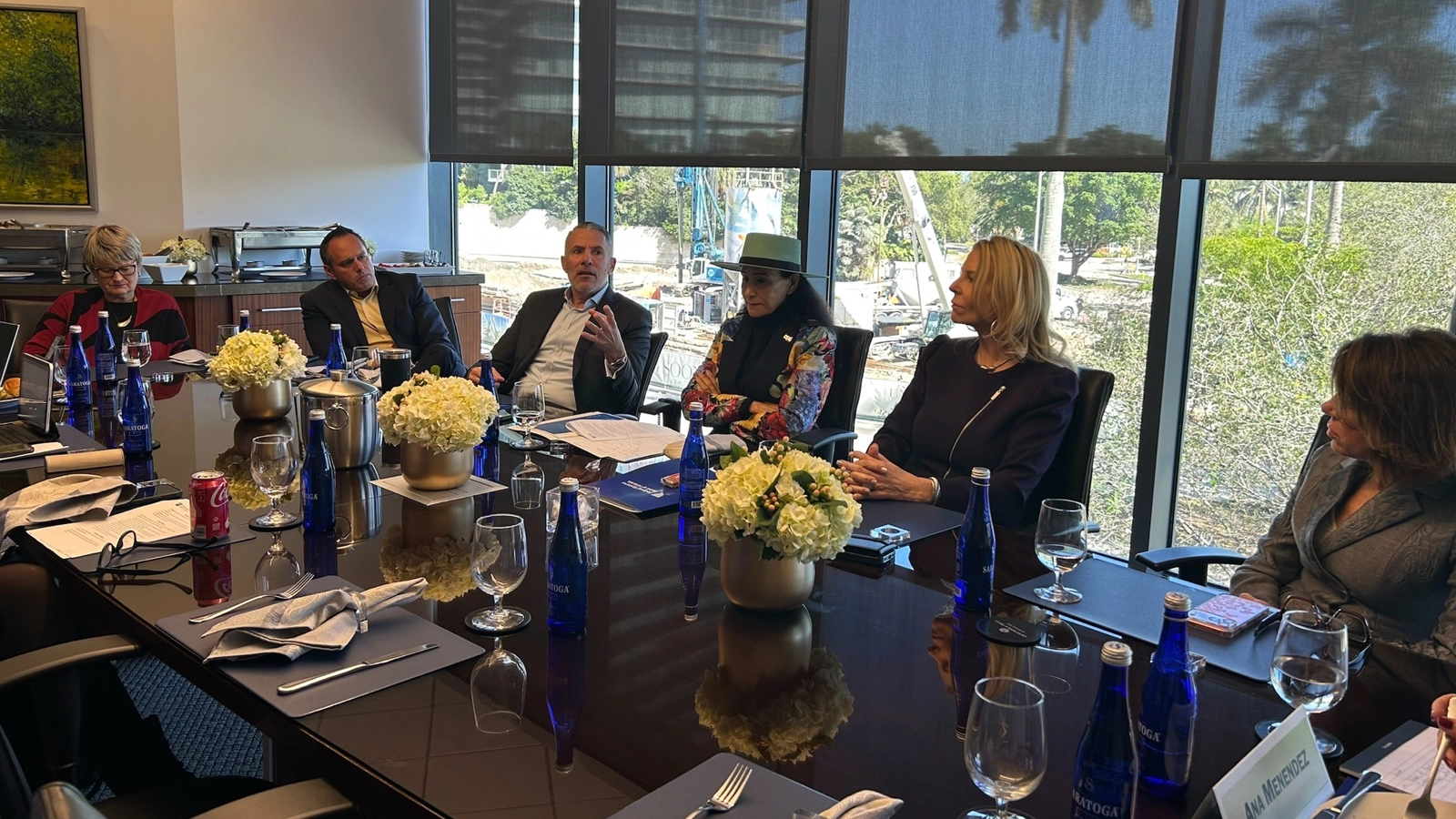
Feedback gathered through these sessions—along with comments submitted via a public email address and responses to a community survey—will shape the development of a candidate profile outlining the traits most desired in the final selection.
The 16 listening sessions featured unstructured conversations with almost 100 stakeholders throughout the District. Among the participants were Atlanta Fed Branch board members, advisory council members representing the Southeast, and business and community contacts of the Bank's Regional Economic Information Network. In addition to these sessions, input was gathered from four previous chairs of the Atlanta Fed's board of directors and from members of the Bank's executive leadership committee. The qualities identified by participants supplement those needed to fulfill the core responsibilities of the job.
Stakeholders broadly agreed that Fed independence will be a key challenge facing the next president of the Atlanta Fed. While other areas of consensus emerged, there was no clear alignment on the ideal professional background for a future Bank president or the extent of their connection to the Sixth District. Participants did, however, converge on four key areas of interest:
- The Federal Reserve's independence from Congress and the president to set monetary policy is the key challenge facing the Fed in the next three years to five years, according to a majority of participants. To help maintain independence, participants shared that the next Bank president should continue to provide data-informed recommendations to navigate the economy and have the communications skills to explain this process clearly to a wide array of audiences, using the formal language appropriate for elected officials and technical experts in Washington, and the casual language spoken in cities and towns across the Sixth District. Comfort in media interviews is a highly valued trait.
- Participants also cited a number of significant challenges they think the next Atlanta Fed president will face. Change, coming quickly and broadly across the economy, is a common theme. The expected expansion in the use of cryptocurrency and artificial intelligence, as well as cybersecurity threats, ranked highly as emerging concerns. They also see the need for the Atlanta Fed president to meet with stakeholders across the District to hear their outlooks so he or she can convey these thoughts to the policy-setting Federal Open Market Committee, and for the new Bank president to explain to Main Street the Fed's efforts to help them improve their quality of life.
- Communication skills combined with strategic, visionary leadership were characteristics participants said they thought were important qualities for the next president to possess.
- Participants highlighted significant discrepancies in income, education, and economic mobility across the Sixth District. They expressed a strong desire for the next president to leverage the Fed's convening power to advance community-based efforts aimed at addressing these gaps. To do this effectively, participants emphasized that the incoming leader must understand the region's unique fabric. Although most agreed the president does not need to be a native of the Sixth District—or even have deep roots here—they stressed the importance of appreciating the region's rich and complex cultural heritage, diverse communities, and the many industries and institutions that drive its economic vitality, as well as embodying qualities such as approachability, trustworthiness, and warmth. As one participant put it: "Part pastor, part businessperson."
Participants did not appear to reach a consensus on the professional experience they would like to see in the next Atlanta Fed president. They did, however, find common ground in describing some skills and traits they think are important, as outlined in the following three clusters of interest:
- Participants, most of them business and community leaders, appeared to lean toward experience in business rather than academia: "It's interesting that someone has learned about things, but it's more interesting when they've learned about things and also have done them" was a sentiment expressed in various ways.
- Broad agreement existed for a candidate whose experience includes a C-suite job in a large organization, preferably with a demonstrated history of managing through challenges and disruption. Knowledge of economics, capital markets, and the mindset of business leaders was valued. Prior work in the Federal Reserve System might help but is not essential. An ability to foster organizational agility was cited. Awareness of the changing landscape around technology is important, but the candidate doesn't have to be a technical expert; that skill can be available elsewhere in the Bank.
- Buzzwords cited were "unicorn" and "athlete," generally defined as a leader who can spot and solve problems of all types before the problems land on a desk. The Bank's job description describes the ideal candidate as possessing "proven high executive functioning ability and experience in the private sector, public sector, and/or academia who can be credible and compelling on the most topics most critical to the Bank, its District, and the System."
Finally, one key takeaway from the listening sessions is that participants largely want the next Atlanta Fed president to continue the trajectory set by former President Bostic. Participants cited Bostic's ability to communicate effectively with stakeholders in settings ranging from the piney woods of the rural South to Capitol Hill, his command of economics, his sensitivity to those only marginally attached to the economy, and his work to foster an economy that works for everyone.
As the job description posted by the Atlanta Fed puts it: "At the Atlanta Fed, the next president and CEO will inherit a high performing, financially strong, and operationally sound institution, and will be expected to provide continuity of excellence while leading with independent judgement, foresight, and a strong commitment to public service."